Buy wittenburg.eu ?
We are moving the project
wittenburg.eu .
Are you interested in purchasing the domain
wittenburg.eu ?
domain@kv-gmbh.de · 0541-91531010
Buy wittenburg.eu ?
What are warm and cold ocean currents?
Warm ocean currents are currents of warm water that flow from the equator towards the poles, transferring heat from the tropics to higher latitudes. They can have a significant impact on the climate of coastal regions they pass by. Cold ocean currents, on the other hand, are currents of cold water that flow from the poles towards the equator, helping to regulate global temperatures by carrying cold water from polar regions to warmer areas. These currents play a crucial role in the distribution of heat and nutrients in the ocean. **
What are the cold ocean currents off the coast called?
The cold ocean currents off the coast are called upwelling currents. These currents bring cold, nutrient-rich water from the deep ocean to the surface, which supports the growth of phytoplankton and other marine life. Upwelling currents are important for the productivity of coastal ecosystems and can have significant impacts on local climate and weather patterns. **


Similar search terms for Ocean currents
Top-Angebote
Products related to Ocean currents:
-
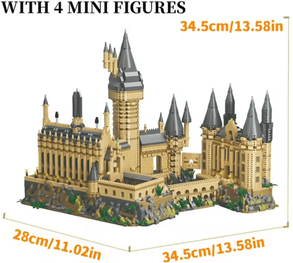
Inspire Curations Creative Medieval Magic Castle Micro Building Blocks School Architecture Palace DIY Set no LightStep into a world of imagination and craftsmanship with this intricate medieval castle building blocks set designed for creative minds. Built with precision micro bricks, this micro building blocks castle offers a detailed and rewarding assembly...225,50 $*Shipping: 0,00 $Secure redirect to the provider
-
Uplift Essentials Medieval Magic Castle Micro Bricks School Architecture Palace Model High Yield Creative Interaction Hub with LightAchieve imagination optimization with this Precision MicroBrick Magic Castle. Specifically engineered for structural transparency, this highperformance technical tool acts as a vital tool for assembly efficiency, neutralizing the limitations of...226,97 $*Shipping: 0,00 $Secure redirect to the provider
-
Inflatable Bounce House Kids Jumping Castle w/ Slide& Ocean Balls - ColorfulCreate a safe and funny jumping wonderland with our castle bouncer! Made of high-quality oxford cloth with inner PVC coating, the jumping house features good non-fading property and better air tightness.211,49 $*Shipping: 0,00 $Secure redirect to the provider



-
How do ocean currents affect the climate in North America?
Ocean currents affect the climate in North America by transporting warm or cold water from one region to another. For example, the Gulf Stream brings warm water from the Gulf of Mexico to the North Atlantic, which helps to moderate the climate in eastern North America, particularly along the coast. Additionally, the California Current brings cold water from the north Pacific, which can have a cooling effect on the climate along the west coast. These ocean currents can influence temperature, precipitation patterns, and weather events, ultimately impacting the overall climate in North America. **
-
Do ocean currents always move in the direction of the tides?
No, ocean currents do not always move in the direction of the tides. While tides are primarily caused by the gravitational pull of the moon and the sun, ocean currents are influenced by a variety of factors such as wind patterns, temperature differences, and the Earth's rotation. Therefore, ocean currents can move in different directions than the tides, and their movements are more complex and varied. **
-
How are message in a bottle, ocean currents, and tides related?
Messages in a bottle, ocean currents, and tides are related through the movement of water in the ocean. When a message in a bottle is thrown into the ocean, it can be carried by ocean currents, which are large-scale movements of water caused by factors such as wind, temperature, and salinity. These currents can also be influenced by tides, which are the rise and fall of sea levels caused by the gravitational pull of the moon and the sun. Therefore, messages in a bottle can be carried by ocean currents and tides, traveling long distances across the ocean. **
-
Why are there often more algae in areas with cold ocean currents?
Cold ocean currents bring nutrient-rich waters up from the deep ocean, providing an abundant food source for algae. The cold water also holds more dissolved oxygen, which is essential for algae growth. Additionally, the lower temperatures in these areas can slow down the metabolism of grazers that feed on algae, allowing algae populations to thrive and multiply. Overall, these factors contribute to the higher abundance of algae in areas with cold ocean currents. **

What are convection currents?
Convection currents are the movement of fluid, such as air or water, due to differences in temperature and density within the fluid. As a fluid is heated, it becomes less dense and rises, while cooler, denser fluid sinks. This creates a circular motion as the heated fluid rises, cools, and then sinks again. Convection currents play a key role in the Earth's atmosphere and oceans, as well as in processes such as heating and cooling systems. **
What are proton currents?
Proton currents refer to the flow of protons, which are positively charged particles, through a medium. This flow of protons can occur in various contexts, such as in biological systems, in proton-conducting materials, or in the context of proton exchange membrane fuel cells. Proton currents are important in many physiological processes, such as the generation of energy in cells through the process of oxidative phosphorylation. In the context of proton-conducting materials and fuel cells, proton currents are important for the generation of electrical energy. **
Top-Angebote
Products related to Ocean currents:
-
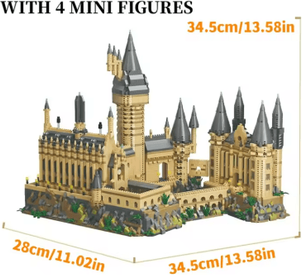
Inspire Picks Medieval Magic Castle Micro Building Block Set For Creative Architecture Play with LightEnter a world of fantasy, imagination, and handson creativity with this enchanting magic castle building block set inspired by medieval palaces and grand schoolstyle architecture. Designed with precision micro bricks, this detailed MOC construction...171,03 $*Shipping: 0,00 $Secure redirect to the provider
-
Inspire Curations Creative Medieval Magic Castle Micro Building Blocks School Architecture Palace DIY Set no LightStep into a world of imagination and craftsmanship with this intricate medieval castle building blocks set designed for creative minds. Built with precision micro bricks, this micro building blocks castle offers a detailed and rewarding assembly...225,50 $*Shipping: 0,00 $Secure redirect to the provider
-
Uplift Essentials Medieval Magic Castle Micro Bricks School Architecture Palace Model High Yield Creative Interaction Hub with LightAchieve imagination optimization with this Precision MicroBrick Magic Castle. Specifically engineered for structural transparency, this highperformance technical tool acts as a vital tool for assembly efficiency, neutralizing the limitations of...226,97 $*Shipping: 0,00 $Secure redirect to the provider
-
What are warm and cold ocean currents?
Warm ocean currents are currents of warm water that flow from the equator towards the poles, transferring heat from the tropics to higher latitudes. They can have a significant impact on the climate of coastal regions they pass by. Cold ocean currents, on the other hand, are currents of cold water that flow from the poles towards the equator, helping to regulate global temperatures by carrying cold water from polar regions to warmer areas. These currents play a crucial role in the distribution of heat and nutrients in the ocean. **
-
What are the cold ocean currents off the coast called?
The cold ocean currents off the coast are called upwelling currents. These currents bring cold, nutrient-rich water from the deep ocean to the surface, which supports the growth of phytoplankton and other marine life. Upwelling currents are important for the productivity of coastal ecosystems and can have significant impacts on local climate and weather patterns. **
-
How do ocean currents affect the climate in North America?
Ocean currents affect the climate in North America by transporting warm or cold water from one region to another. For example, the Gulf Stream brings warm water from the Gulf of Mexico to the North Atlantic, which helps to moderate the climate in eastern North America, particularly along the coast. Additionally, the California Current brings cold water from the north Pacific, which can have a cooling effect on the climate along the west coast. These ocean currents can influence temperature, precipitation patterns, and weather events, ultimately impacting the overall climate in North America. **
-
Do ocean currents always move in the direction of the tides?
No, ocean currents do not always move in the direction of the tides. While tides are primarily caused by the gravitational pull of the moon and the sun, ocean currents are influenced by a variety of factors such as wind patterns, temperature differences, and the Earth's rotation. Therefore, ocean currents can move in different directions than the tides, and their movements are more complex and varied. **
Similar search terms for Ocean currents
-
Inflatable Bounce House Kids Jumping Castle w/ Slide& Ocean Balls - ColorfulCreate a safe and funny jumping wonderland with our castle bouncer! Made of high-quality oxford cloth with inner PVC coating, the jumping house features good non-fading property and better air tightness.211,49 $*Shipping: 0,00 $Secure redirect to the provider
-
Inspire Picks Medieval Magic Castle Micro Building Block Set For Creative Architecture Play no LightEnter a world of fantasy, imagination, and handson creativity with this enchanting magic castle building block set inspired by medieval palaces and grand schoolstyle architecture. Designed with precision micro bricks, this detailed MOC construction...167,25 $*Shipping: 0,00 $Secure redirect to the provider
-
How are message in a bottle, ocean currents, and tides related?
Messages in a bottle, ocean currents, and tides are related through the movement of water in the ocean. When a message in a bottle is thrown into the ocean, it can be carried by ocean currents, which are large-scale movements of water caused by factors such as wind, temperature, and salinity. These currents can also be influenced by tides, which are the rise and fall of sea levels caused by the gravitational pull of the moon and the sun. Therefore, messages in a bottle can be carried by ocean currents and tides, traveling long distances across the ocean. **
-
Why are there often more algae in areas with cold ocean currents?
Cold ocean currents bring nutrient-rich waters up from the deep ocean, providing an abundant food source for algae. The cold water also holds more dissolved oxygen, which is essential for algae growth. Additionally, the lower temperatures in these areas can slow down the metabolism of grazers that feed on algae, allowing algae populations to thrive and multiply. Overall, these factors contribute to the higher abundance of algae in areas with cold ocean currents. **
-
What are convection currents?
Convection currents are the movement of fluid, such as air or water, due to differences in temperature and density within the fluid. As a fluid is heated, it becomes less dense and rises, while cooler, denser fluid sinks. This creates a circular motion as the heated fluid rises, cools, and then sinks again. Convection currents play a key role in the Earth's atmosphere and oceans, as well as in processes such as heating and cooling systems. **
-
What are proton currents?
Proton currents refer to the flow of protons, which are positively charged particles, through a medium. This flow of protons can occur in various contexts, such as in biological systems, in proton-conducting materials, or in the context of proton exchange membrane fuel cells. Proton currents are important in many physiological processes, such as the generation of energy in cells through the process of oxidative phosphorylation. In the context of proton-conducting materials and fuel cells, proton currents are important for the generation of electrical energy. **
* All prices are inclusive of VAT and, if applicable, plus shipping costs. The offer information is based on the details provided by the respective shop and is updated through automated processes. Real-time updates do not occur, so deviations can occur in individual cases. ** Note: Parts of this content were created by AI.